
Climate Adaptation and Resilience Funds: The Financial Lifeline We Didn’t Know We Needed
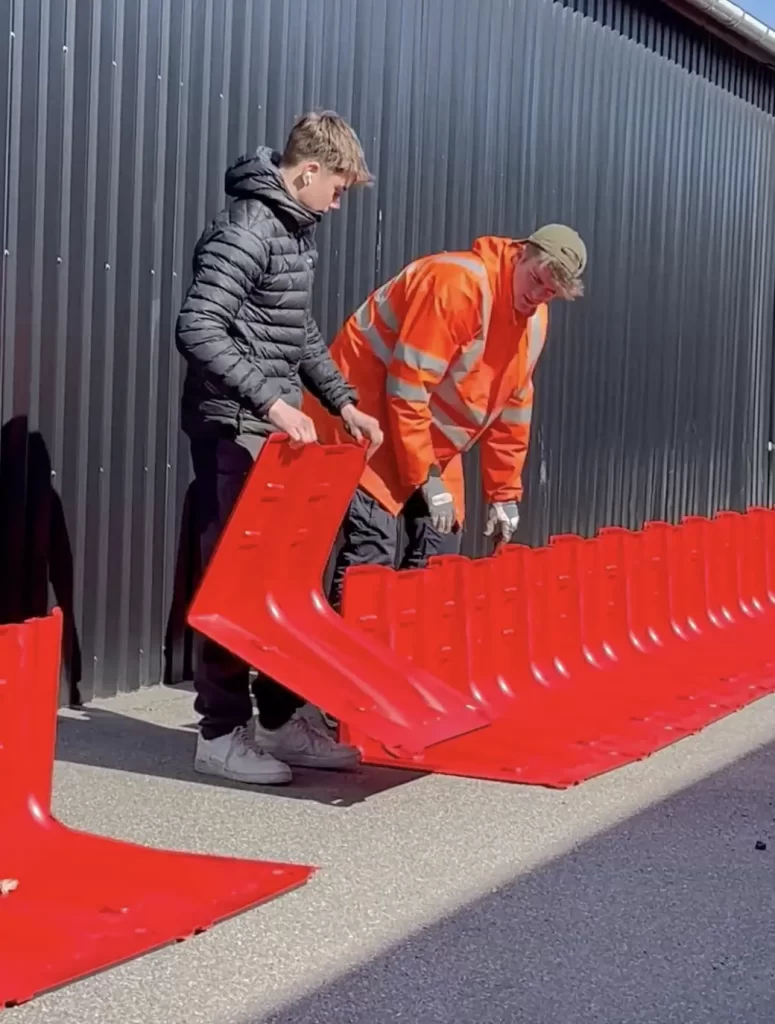
Let’s be real for a second. We’ve spent decades talking about cutting emissions, about slowing down climate change. And sure, that’s crucial. But here’s the thing—the climate is already changing. Storms are hitting harder. Crops are failing more often. And honestly, the question isn’t just “how do we stop this?” It’s “how do we survive this?” That’s where climate adaptation and resilience funds come in. They’re not just a buzzword. They’re the financial scaffolding for a world that’s already wobbling.
Wait—What Exactly Are These Funds?
Think of adaptation funds like an insurance policy for the planet. But instead of just paying out after disaster strikes, they help us build better defenses before the storm hits. Resilience funds? They’re the muscle memory. They help communities bounce back—and even improve—after a climate shock. Together, they cover things like:
- Building sea walls that actually hold back rising tides.
- Developing drought-resistant crops that don’t shrivel under a brutal sun.
- Installing early warning systems for floods or heatwaves.
- Relocating entire villages away from floodplains (yeah, it’s as messy as it sounds).
- Retrofitting hospitals and schools to withstand hurricanes.
These aren’t charity handouts. They’re strategic investments. And they’re growing fast—though maybe not fast enough.
The Money Gap: A Tale of Two Worlds
Here’s the uncomfortable truth. The countries that contributed least to climate change—think small island nations, parts of sub-Saharan Africa—are the ones getting hit hardest. And they have the least cash to adapt. Meanwhile, the big emitters are… well, they’re talking. But pledges often fall short.
In fact, the United Nations Environment Programme estimates that developing countries need around $200–$300 billion per year by 2030 for adaptation. Right now? We’re barely scratching $25 billion. That’s like trying to fill a bathtub with a teaspoon. Sure, you’re making progress. But the tub’s got a hole in it.
Where Does the Money Actually Come From?
It’s a patchwork, honestly. You’ve got multilateral funds like the Green Climate Fund and the Adaptation Fund (set up under the Kyoto Protocol). Then there’s bilateral aid—rich countries giving directly to vulnerable ones. And increasingly, private sector money is creeping in. Insurance companies, pension funds, even tech giants are starting to see resilience as a smart bet, not just a moral one.
But here’s the kicker: accessing this money is a bureaucratic nightmare. Small communities often don’t have the staff or expertise to write grant proposals. So the funds end up with bigger NGOs or government agencies, while the people in the mud-and-stick huts wait longer.
Not All Resilience Is Created Equal
You’d think “building resilience” is straightforward. But it’s not. A concrete seawall might protect a city, but it could destroy a fishing community’s livelihood by blocking access to the coast. A drought-resistant seed might boost yields—but if it requires expensive fertilizer, poor farmers are left out.
That’s why the best adaptation funds are community-led. They don’t just drop a solution from above. They ask: “What do you need? What’s your local knowledge telling us?” It’s slower. Messier. But it works.
Real World Example: The Mangrove Paradox
Take mangroves. For decades, we ripped them out to build shrimp farms. Now we’re realizing they’re nature’s best storm buffer. A single hectare of mangroves can absorb up to 70% of wave energy. So some resilience funds are paying to restore them. But here’s the twist—you can’t just plant mangroves anywhere. They need the right salinity, the right tidal flow. Local fishers know this. The funds that listen to them? They succeed. The ones that don’t? Well, they end up with dead saplings and wasted cash.
How Do We Know If It’s Working?
Measuring resilience is slippery. You can count how many seawalls are built. But how do you measure a disaster that didn’t happen? It’s like trying to see the dark—you only notice its absence when the lights are on.
Still, there are metrics. The Resilience Rating System, for example, scores projects on how well they reduce vulnerability. Some funds use “loss and damage” assessments—tracking how much economic harm was avoided. Others look at social indicators: Did women feel safer during the last flood? Did children miss fewer school days?
It’s imperfect. But it’s getting better.
The Elephant in the Room: Loss and Damage
You can’t talk about adaptation without bumping into “loss and damage.” That’s the stuff that’s beyond adaptation—the irreversible losses. A village that sinks into the sea. A glacier that melts forever. A cultural heritage site that crumbles.
At COP27, countries finally agreed to a Loss and Damage Fund. But it’s still just a skeleton. No one agrees on who pays, how much, or who gets it. And honestly, it’s a politically explosive topic. Rich countries worry it’s an admission of guilt. Poor countries see it as survival.
But here’s the thing—adaptation funds and loss and damage funds are two sides of the same coin. One helps you dodge the punch. The other helps you get up after you’ve been hit. We need both.
What’s Next? Trends to Watch
So where are we heading? A few things stand out:
- Blended finance is on the rise. That means mixing public money with private investment to reduce risk. Think of it as a financial safety net that makes it safer for companies to invest in climate-proofing projects.
- Nature-based solutions are gaining traction. Instead of concrete, we’re using wetlands, forests, and coral reefs. They’re cheaper, more adaptable, and they sequester carbon too. Win-win.
- Digital tools are changing the game. Satellite imagery, AI-driven risk maps, and mobile payment systems are helping funds reach remote areas faster. A farmer in Bangladesh can now get a weather alert and a cash transfer on the same phone.
But let’s not get too excited. The pace is still glacial compared to the speed of climate impacts. We’re building a fire escape while the building is already burning.
A Final Thought (No, Really)
Climate adaptation and resilience funds aren’t just about money. They’re about a shift in mindset. We’ve spent so long trying to prevent the future—maybe it’s time to start preparing for it. Not out of fear, but out of a kind of stubborn hope. The hope that if we build smarter, plan better, and share more fairly, we can actually live through this mess.
It’s not a silver bullet. It’s a thousand small, muddy, imperfect steps. But each seawall, each drought-resistant seed, each early warning siren—that’s a bet on tomorrow. And honestly? That’s the only bet worth making.
—
About Author
