
Modern Salary Negotiation and Career Pivoting for Equity and Benefits
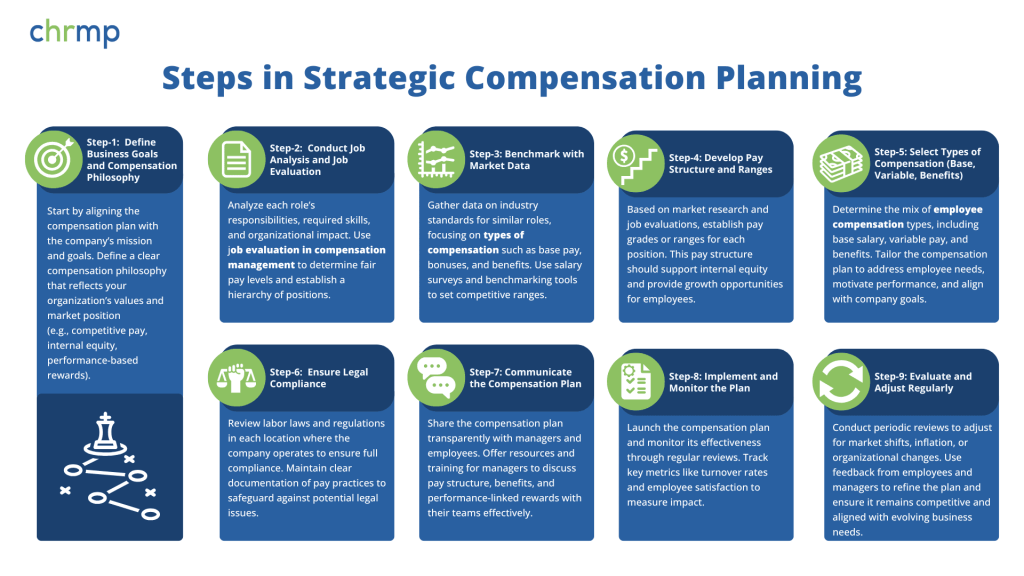
Let’s be honest. The old playbook for salary talks is, well, outdated. It was a simple, often nerve-wracking, back-and-forth about a single number. Today, compensation is a multi-layered puzzle. It’s about equity, benefits, flexibility, and yes, cash—all wrapped up in the bigger question of your career’s direction.
Whether you’re negotiating a new offer or pivoting into a completely different field, the goalposts have moved. The modern professional isn’t just asking for more; they’re negotiating for a holistic package that reflects their whole life and future value. Here’s how to navigate this new terrain.
Redefining “Compensation” in the Modern Era
Think of your total compensation like a sundae. The base salary is the vanilla ice cream—essential, but not the whole story. The toppings—equity, bonuses, health benefits, retirement plans, flexible hours, remote options, learning stipends—these are what make it uniquely valuable to you.
And here’s the deal: companies know this. In competitive fields, especially tech and startups, they often have more flexibility with equity and perks than they do with base salary bands. Your job is to figure out which toppings you value most.
The Non-Salary Elements You Can’t Ignore
Seriously, don’t gloss over these. A few key areas to dig into:
- Equity & Stock Options: This is potential future wealth, but it’s complex. Is it RSUs (Restricted Stock Units) or options? What’s the vesting schedule? What’s the company’s current valuation and growth trajectory? It’s okay to ask for clarification—in fact, it’s expected.
- Health & Wellness Benefits: Look beyond the premium. What’s the deductible? The out-of-pocket max? Are mental health services, fertility treatments, or alternative therapies covered? A slightly lower salary with a platinum-tier health plan might be a net win.
- Time & Autonomy: Unlimited PTO? A four-day workweek? True remote-work flexibility? For many, these are non-negotiable pillars of a sustainable career. They have real monetary and life value.
- Future-Proofing Perks: This includes retirement matching (that’s free money), tuition reimbursement, conference budgets, and coaching stipends. These are investments in your pivot potential.
The Art of the Pivot: Negotiating When You’re Changing Fields
Career pivoting adds a whole other layer. You’re bringing transferable skills, fresh perspective, and hunger—but maybe not the direct, on-paper experience. Your negotiation leverage comes from a different place.
First, reframe your narrative. You’re not a novice; you’re a cross-pollinator. A teacher pivoting to customer success brings unparalleled communication and empathy skills. A journalist moving into content marketing brings rigorous research and storytelling. You know? You have to articulate this translation clearly.
Strategies for the Career Changer
Okay, so how do you talk numbers when your last title doesn’t match the new one?
- Anchor on Value, Not Just History: Don’t just say, “I made X at my old job.” Instead, frame it as: “Based on the value I will bring in [specific project or skill], and market rates for this role, my research suggests a range of Y to Z.”
- Be a Broker of Solutions: If they hesitate on base salary, propose a structured path. “I understand starting at the top of the band is a stretch. Would you be open to a six-month review with a performance-based increase upon achieving [specific goal]?” This shows partnership.
- Double Down on “Toppings”: This is where you can gain ground. If salary is rigid, negotiate harder for equity, a signing bonus to offset lost bonuses, or a guaranteed training budget to close skill gaps fast.
Practical Tactics for the Conversation Itself
Alright, let’s get tactical. The mindset is collaborative, but your preparation must be meticulous.
| Do Your Homework | Use sites like Glassdoor, Levels.fyi, and Blind. Network to get “real talk” on comp. Know the company’s stage (startup vs. public) to guess equity flexibility. |
| Know Your Walk-Away Number | Calculate your financial floor. Include the value of benefits. What package total is worth this pivot? |
| Practice “Scripts” Not Memorization | Have key phrases ready. “I’m really excited about this opportunity. To make the move align with my long-term goals, I was hoping we could discuss the total compensation package.” |
| Listen & Probe | After they make an offer, pause. Ask: “Can you walk me through how the equity portion works?” or “How is performance typically measured for bonuses?” |
One more thing—silence is your friend. After stating your case or asking a probing question, let the silence hang. It feels awkward, but it prompts the other party to speak, often to improve the offer or reveal more information.
A Quick Word on Mindset and Fairness
This process is inherently uneven. Companies have more data. They do this every day. You might do it every few years. It’s easy to feel like an imposter, especially during a pivot.
But remember: negotiation is a standard part of the business dance. It’s not greedy. It’s not confrontational. A fair negotiation sets the tone for a respectful, professional relationship from day one. It signals that you understand and value your own worth—and that you expect them to, as well.
And honestly, advocating for equitable pay and benefits, particularly for underrepresented groups, is how the tide lifts all boats. When you negotiate well, you subtly set a new benchmark.
Wrapping It All Together
Modern negotiation isn’t a battle over a line item. It’s a structured conversation about total value exchange. It’s about aligning your career trajectory—whether straight up or on a pivot—with a package that supports your entire life: your health, your growth, your time, and your financial future.
The most successful professionals treat this not as a one-time event, but as an ongoing skill. They build their case with data, articulate their value through narrative, and approach the table with a collaborative, problem-solving energy. They know that the best deal isn’t just the one you sign today—it’s the one that still feels right in two years, because it was built on clarity and mutual respect.
About Author
