
Financial Preparedness for Climate Change and Extreme Weather: Your Money’s Safety Net
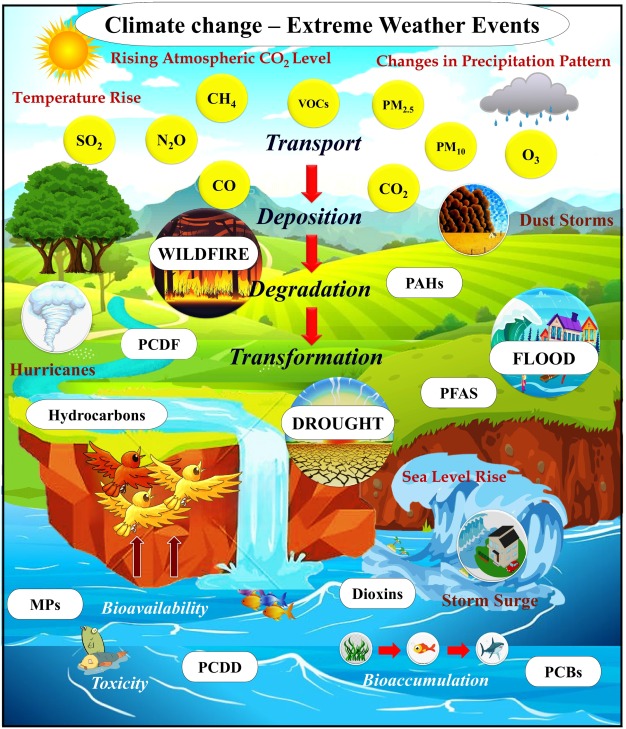
Let’s be honest. The forecast isn’t just about rain or shine anymore. It’s about wildfires swallowing neighborhoods, floods breaching basement walls, and heatwaves straining the power grid. Climate change and extreme weather events are no longer distant headlines—they’re financial risks knocking on our doors.
And here’s the deal: while we can’t control the weather, we can absolutely fortify our finances against it. Think of it like building a levee around your livelihood. This isn’t about fear; it’s about practical, powerful preparedness. Let’s dive in.
Why Your Wallet Feels the Heat First
When a storm hits or smoke fills the sky, the immediate dangers are obvious. But the financial aftershocks? They can ripple for years. We’re talking about sudden, massive, unplanned expenses that can derail even the most careful budget.
Maybe your deductible is thousands of dollars. Or you lose income because your business floods. Perhaps you face weeks of displacement costs—hotels, meals, all of it. This is the real, gritty side of climate resilience: your bank balance.
The Hidden Costs We Often Miss
Sure, a damaged roof is a clear line item. But what about the increased cost of living in a disaster-prone area? Insurance premiums are skyrocketing in many regions, if you can get coverage at all. Food prices jump after droughts. Home repairs post-disaster come with a “demand surge” premium. It adds up, you know?
Building Your Financial Emergency Kit: A Step-by-Step Plan
Okay, so what do we actually do? It’s about layers, like putting on clothes for a cold day. One layer isn’t enough. You need a system.
Layer 1: The Immediate Cash Cushion
This is your go-to, no-questions-asked fund. After an evacuation order, ATMs might be down. Cards might not work. You need physical cash and accessible savings.
- Target: At least $1,000 in a true emergency fund, with a longer-term goal of 3-6 months of expenses. Start small, but start.
- Keep some cash at home in a fireproof/waterproof safe. A few hundred dollars in small bills can be a lifeline.
- Automate it. Treat this savings like a non-negotiable bill. Even $50 a month builds a buffer.
Layer 2: The Insurance Audit (The Fine Print Matters)
Most people just renew their policies. Big mistake. You need to understand—really understand—what’s covered. And what’s not.
Standard homeowners insurance often excludes flooding and earthquakes. Wildfire coverage might have sublimits for landscaping or “additional living expenses.” Call your agent. Ask the blunt questions: “If a wildfire takes my home and I’m displaced for 9 months, what exactly will you pay for?” Get answers in writing.
| Coverage Type | What It Typically Covers | Key Question to Ask |
| Flood Insurance | Structure & contents damage from flooding (NFIP or private). | “Is my basement finished? Is that covered?” |
| Homeowners/Renters | Fire, wind, hail, theft, liability. | “What’s my deductible for hurricane/wind damage?” |
| Additional Living Expenses (ALE) | Hotel, meals, laundry costs if displaced. | “What’s the total dollar limit and time limit on ALE?” |
Layer 3: Fortifying Your Assets
This is proactive spending to prevent catastrophic loss. It’s the financial equivalent of trimming trees away from your house before fire season.
- Home Hardening: Invest in storm shutters, fire-resistant siding, or a sump pump. These upgrades might even lower your insurance premiums.
- Digital Document Vault: Scan insurance policies, deeds, passports, tax returns. Store them in a secure cloud service. A waterproof go-bag with physical copies is smart too.
- Vehicle Preparedness: Is your car ready for an evacuation? Keep the tank half full, and consider if your insurance includes rental car coverage.
The Long-Game: Climate-Proofing Your Financial Life
Beyond the immediate emergency kit, there’s a bigger picture. How does climate risk shape your major financial decisions?
Think about where you live and invest. Are you buying property in a high-risk flood zone? Is your retirement portfolio heavily weighted in sectors vulnerable to climate policy shifts? This isn’t about panic-selling; it’s about mindful diversification.
And then there’s income. A side hustle or remote work skill can be a financial lifeboat if your local job market is disrupted. Building that flexibility is a form of climate adaptation, honestly.
It’s Not Just About You: Community Resilience
Here’s a truth we sometimes forget: your financial safety is tied to your neighbor’s. A resilient community bounces back faster, which protects everyone’s property values and local economy.
Support local mitigation efforts. Know your neighborhood’s evacuation routes. Maybe even start a community preparedness group. Shared knowledge and resources—like who has a generator or a chainsaw—are invaluable. This is collective financial defense.
The Bottom Line: Start Where You Are
Look, this can feel overwhelming. The key is to not let perfection be the enemy of the good. Don’t try to do everything at once.
Pick one thing from this article. Just one. Maybe it’s reviewing your insurance policy this weekend. Or setting up an automatic transfer to your savings account. Or finally buying that fireproof safe. Each step you take weaves a stronger safety net.
Financial preparedness for climate change isn’t a single action; it’s a mindset. It’s acknowledging the new reality and choosing to meet it with foresight, not fear. Because the most valuable asset you have to protect isn’t just your home or your car—it’s your future stability, your peace of mind. And that, frankly, is worth every bit of effort.
About Author
