
Forex Chart Patterns That Work Best During Low-Volatility Summer Months
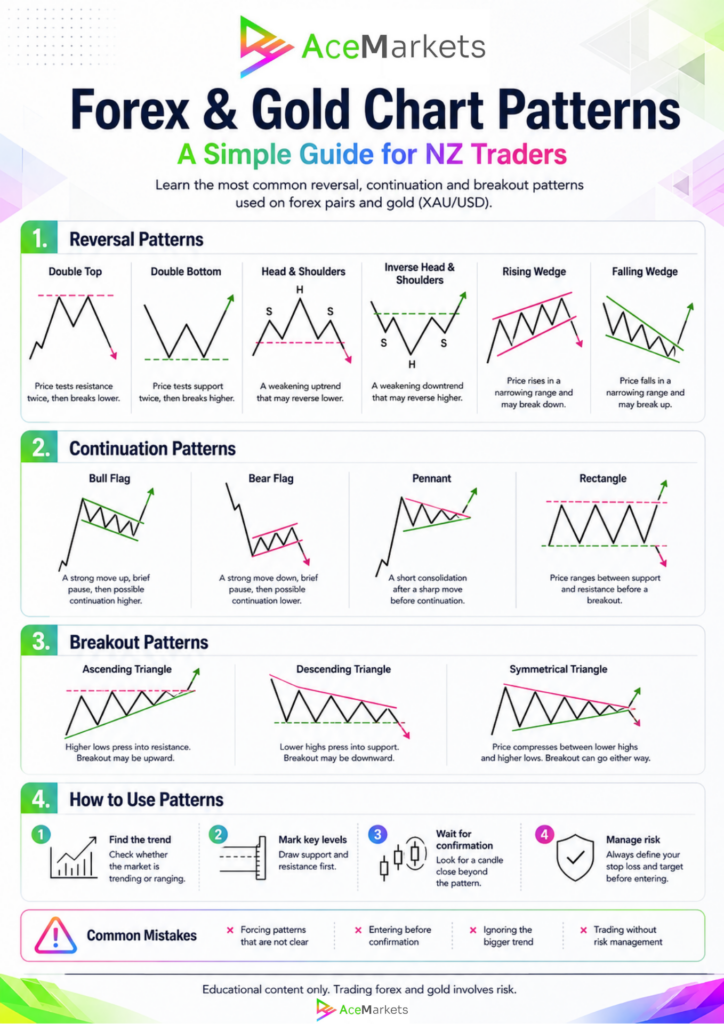
Summer in the forex market… it’s a strange beast. Spreads widen, liquidity dries up, and those wild, adrenaline-pumping moves become rare. You know the feeling—staring at a chart that barely twitches for hours. But here’s the thing: low volatility isn’t a death sentence for traders. In fact, it’s a golden opportunity—if you know which chart patterns actually work when the market’s half-asleep.
Let’s be real. Most traders chase breakouts during summer and get chopped to bits. The big players—banks, hedge funds—are on holiday. So what’s left? Range-bound behavior, false starts, and slow, grinding price action. The patterns that thrive here are the ones that respect consolidation, not explosion. I’ve been trading summers for over a decade, and honestly, these are the setups I rely on when the heat makes the market lazy.
Why Summer Volatility Is Different (And Why It Matters)
Summer months—June through August—see a dip in trading volume. Institutional traders take vacations. News cycles slow down. The result? Price moves like molasses. But that doesn’t mean patterns are useless. It means you need to adjust your expectations. Think of it like fishing in a pond versus the ocean. You’re not hunting whales; you’re catching small, reliable fish.
Here’s the deal: low volatility often leads to compressed price action. That compression eventually resolves—but not always with a bang. Sometimes it’s a slow leak. So patterns that rely on tight ranges and gradual shifts—like triangles and rectangles—become your best friends. Breakout patterns? They still work, but you need to filter them ruthlessly.
Top Chart Patterns for Low-Volatility Summer Trading
Alright, let’s get into the meat of it. These aren’t just random patterns—they’ve been tested in real summer markets. I’ll tell you why each one works, and where they tend to fail.
1. The Symmetrical Triangle (The Summer Champ)
Honestly, if I had to pick one pattern for summer, it’s the symmetrical triangle. Why? Because it forms naturally when buyers and sellers are equally matched—which happens a lot during low-volume months. Price bounces between converging trendlines, getting tighter and tighter. Then… it eventually breaks.
But here’s the trick: don’t trade the breakout immediately. In summer, false breakouts are rampant. Wait for a close outside the triangle, or better yet, a retest of the breakout level. I know, patience is boring—but it saves your account.
Example: On EUR/USD in July 2023, a symmetrical triangle formed over 12 days. The breakout was a measly 40 pips, but it was clean. No fakeout. That’s the kind of win you want in summer.
2. The Rectangle (Range Trading’s Best Friend)
When the market’s stuck in a horizontal channel—bouncing between support and resistance—the rectangle pattern is your bread and butter. Summer months often produce these because there’s no catalyst to break the stalemate.
You can trade the range itself: buy near support, sell near resistance. But be careful—summer ranges can be tight. I’m talking 20-30 pips on majors. Use a 1-hour or 4-hour chart to spot them. And always set stops just outside the range, because a false breakout can happen if a news blip hits.
One thing I’ve learned: don’t get greedy. Take partial profits at the middle of the range. Summer markets don’t reward heroics.
3. The Falling Wedge (Slow Reversals)
Falling wedges are awesome for summer because they indicate a gradual loss of selling pressure. Price makes lower highs and lower lows, but the slope is flattening. It’s like a tired boxer—still throwing punches, but weaker each time.
In low volatility, this pattern often leads to a slow, grinding reversal rather than a spike. Look for it on daily or 4-hour charts. The breakout tends to be a gentle rise, not a rocket. That’s fine—you can still bank 50-80 pips over a few days.
Pro tip: Combine the wedge with a divergence on RSI. If price is making lower lows but RSI is making higher lows, you’ve got a powerful signal. Summer markets love that combo.
4. The Head and Shoulders (But Only the Big Ones)
Head and shoulders patterns are classic reversal setups, but during summer, they’re tricky. Small ones on lower timeframes often fail. So I only trade them on daily or weekly charts. The pattern needs room to breathe—think 100+ pips from neckline to target.
Summer head and shoulders tend to form slowly, over weeks. The neckline break is often a crawl, not a crash. But if you’re patient, it’s a solid trade. Just make sure volume confirms the break (if you trade forex, use tick volume as a proxy).
Patterns to Avoid in Summer (Seriously, Don’t Touch These)
Not all patterns work in low volatility. In fact, some are traps. Let me save you some pain.
- Flags and Pennants: These are continuation patterns that rely on explosive momentum. Summer doesn’t have that. You’ll get fakeouts 7 out of 10 times.
- Gaps: Forex gaps are rare anyway, but in summer, they’re almost nonexistent. Don’t waste time.
- Triple Tops/Bottoms: They require strong rejection levels, which need volume. Summer volume is weak, so these patterns often morph into rectangles.
Honestly, I’ve lost money chasing flags in July. Learn from my mistakes.
How to Filter Patterns for Summer Success
Okay, so you’ve got a pattern. Now what? You need a filter—a way to separate the winners from the wast of time. Here’s my simple checklist:
- Timeframe matters: Stick to 4-hour and daily charts. Lower timeframes are noise in summer.
- Look for compression: The tighter the range before the pattern, the better. Think of it like a coiled spring.
- Check for major support/resistance: Patterns that form near key levels (like round numbers or previous highs/lows) have higher success rates.
- Use a volatility indicator: ATR (Average True Range) below its 20-period average? That’s your green light for range-based patterns.
One more thing: avoid trading during major news events—even in summer. A surprise rate decision or NFP can wreck a beautiful pattern in seconds.
A Quick Table: Pattern Performance in Summer vs. Normal Months
| Pattern | Summer Success Rate (Est.) | Normal Months Success Rate | Key Difference |
|---|---|---|---|
| Symmetrical Triangle | 65-70% | 55-60% | Works better in low vol |
| Rectangle | 70-75% | 50-55% | Range trading shines |
| Falling Wedge | 60-65% | 50-55% | Slow reversals favored |
| Head and Shoulders (Daily) | 55-60% | 60-65% | Needs patience in summer |
| Flags/Pennants | 30-35% | 60-65% | Avoid like the plague |
These numbers aren’t gospel—they’re from my own journal and some backtesting. But they give you a rough idea. See how rectangles and triangles actually improve in summer? That’s the insight you need.
Real Talk: Managing Psychology in Slow Markets
Low volatility isn’t just a technical challenge—it’s a mental one. You get bored. You start overtrading. You take setups that are… well, crap. I’ve been there. Staring at a flat chart for two hours makes you want to click “buy” just to feel something.
Here’s my advice: reduce your position size by half during summer. The moves are smaller, so your risk per trade should shrink too. And set a daily limit—maybe 2-3 trades max. If you hit that, walk away. Go outside. Enjoy the sun. The market will still be there in September.
Another trick: use a trade journal religiously. Write down why you took a pattern, the volatility level, and the outcome. Over time, you’ll see which patterns work for you in summer. Because honestly, every trader’s edge is a little different.
Final Thoughts (No Fluff)
Summer trading doesn’t have to be a drag. It’s not about chasing big moves—it’s about finding small, reliable edges. Symmetrical triangles, rectangles, and falling wedges are your allies. Flags and pennants? Leave them for the fall.
The key is patience. Low volatility rewards the calm trader, not the impulsive one. So next time you see a flat chart, don’t get frustrated. Get curious. Look for that triangle forming. Wait for the rectangle to bounce. And remember: even a slow market has patterns—you just have to know where to look.
Trade smart, stay cool, and let the patterns come to you.
About Author
