
Building a Climate-Resilient Investment Portfolio: A Practical Guide for the Future
Let’s be honest. The weather feels different now, doesn’t it? Record heatwaves, more intense storms, shifting growing seasons—it’s not just a news headline. It’s a reality that’s reshaping our world, and frankly, our wallets. For investors, this presents a fundamental new question: how do you protect and grow your wealth in a changing climate?
That’s where the idea of a climate-resilient portfolio comes in. It’s not about activism alone (though that can be a part of it). It’s about pragmatic risk management and spotting the opportunities that arise from adaptation. Think of it like building a house in a region prone to storms. You wouldn’t use straw. You’d use reinforced materials, a smart design, and maybe even elevate the foundation. Your portfolio needs the same thoughtful engineering.
Why “Resilience” is the Key Word
For years, the conversation was dominated by “ESG” and “low-carbon.” Those are still crucial. But resilience digs deeper. It asks: which companies, sectors, and assets are positioned to withstand physical climate shocks (like floods or droughts) and thrive through the transition to a low-carbon economy? A company might have a tiny carbon footprint but have all its factories in coastal flood zones. That’s a risk.
You know, it’s a two-way street. There’s physical risk and transition risk. Physical is the obvious one—the direct damage. Transition risk is trickier. It’s the financial loss from policies, technologies, or market shifts as the world moves away from fossil fuels. A climate-resilient strategy aims to navigate both.
Pillars of a Resilient Portfolio: More Than Just Green Stocks
Okay, so how do you actually build this? It’s not a one-size-fits-all checklist, but a framework based on a few core pillars. Let’s dive in.
1. The Adaptors and Innovators
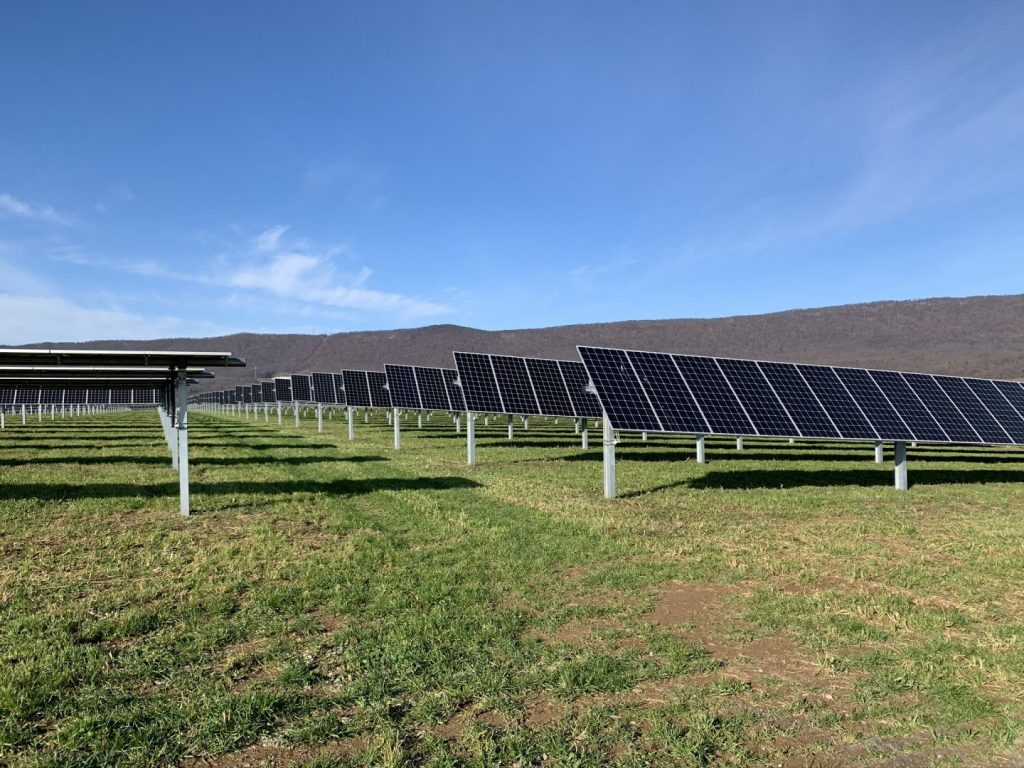
This is the engine of opportunity. Look for companies providing solutions. We’re talking renewable energy, obviously—solar, wind, geothermal. But look deeper. Energy storage (batteries!), smart grid technology, sustainable agriculture, water purification and conservation, and green building materials. These aren’t niche plays anymore; they’re becoming mainstream infrastructure.
2. The Fortified Incumbents
Not every “traditional” company is a stranded asset. The key is to assess their adaptation strategy. A large manufacturing company, for instance, that is aggressively managing its water usage, diversifying its supply chain away from high-risk zones, and investing in energy efficiency is building resilience. A utility shifting its generation mix toward renewables and hardening its grid against extreme weather is adapting. You have to look at their transition plans.
3. The Essential Services (With a Caveat)
Certain sectors—like healthcare, certain parts of infrastructure, and cybersecurity—will be essential regardless of the climate scenario. Demand might even increase. But the caveat is critical: their operations must be resilient. A hospital without a backup power plan for blackouts is a vulnerable investment, no matter how essential its service.
4. Natural Assets and Real Assets
This is a fascinating area. Timberland, for example, if managed sustainably, acts as a carbon sink and provides a renewable resource. Agricultural land using regenerative practices can be more resilient to drought. Even certain types of real estate—think buildings with top-tier energy certifications and located outside of high-risk floodplains—can hold their value better. These assets often provide a tangible hedge.
Practical Steps to Get Started
Feeling overwhelmed? Don’t be. You don’t need to overhaul everything overnight. Here’s a manageable approach.
- Audit Your Current Holdings: Use tools from your brokerage or third-party sites to see your portfolio’s current exposure. Look at carbon footprint metrics, but also check for controversies related to environmental mismanagement.
- Embrace The “And”: You can invest for resilience and diversification. It’s not an either/or. A broad-market ETF paired with a dedicated climate solutions ETF can be a simple start.
- Think Thematically: Allocate a portion of your portfolio to clear climate themes. Water security. Circular economy. Electrification. This focuses your research.
- Engage or Reallocate: For funds you own, see if the managers are voting on climate issues and engaging with companies. If not, consider moving to ones that do.
Here’s a quick, simplified table to visualize how this might shift your sector perspective:
| Traditional Lens | Climate-Resilient Lens |
| Energy Sector (Integrated Oil & Gas) | Energy Sector (Renewables, Grid Modernization, Biofuels) |
| Utilities (Coal/Gas-heavy) | Utilities (With clear decarbonization & grid hardening plans) |
| Real Estate (Generic REITs) | Real Estate (Green-certified buildings, low physical risk locations) |
| Materials (Basic producers) | Materials (Producers of low-carbon cement, recycled metals) |
The Inevitable Challenges & Mindset Shifts
It’s not all smooth sailing. “Greenwashing”—where companies exaggerate their environmental efforts—is a real headache. You have to dig into reports, not just marketing. Data can be inconsistent. And sometimes, resilient investments might seem “expensive” based on old valuation models that don’t price in climate risk properly.
That said, the biggest shift is mental. Moving from a short-term, returns-only focus to a longer-term, risk-aware mindset. You’re investing in a world that is actively changing. It requires looking at the map differently—seeing where the future floods might be, and where the new roads are being built.
Honestly, building a climate-resilient portfolio is an ongoing process, not a one-time trade. It’s about becoming a more aware, more adaptive investor. The goal isn’t perfection. It’s progress. It’s about ensuring your financial future isn’t blown off course by the winds of change, but can actually sail with them.
About Author
